Prices are estimates. How we get them
Standing water removed fast and every wet layer of your home dried to a verified dry standard.
When water covers a floor in Gardena, CA 90247, two jobs start the clock: getting the water out, and drying everything it touched. Extraction removes the water you can see. Drying removes the water you can't, the moisture soaked into carpet pad, drywall, baseboards, cabinet bases, wood framing and concrete. Skipping or rushing either step is how a one-day leak turns into torn-out walls, warped floors and a musty smell months later. This page explains how professional extraction and drying work, how long they take and what you can expect when a crew arrives at your Gardena home.
Water spreads sideways and wicks upward. On the slab floors found in many Gardena homes, it runs under baseboards and into the next room within minutes, then climbs into drywall like a paper towel. Carpet pad holds water like a sponge. After about a day, wood starts to swell, laminate can cup and lift, and the conditions for mold growth begin. Extraction in the first few hours lets crews dry more materials in place instead of removing them, which lowers the cost of the repair and the size of the insurance claim.
Crews bring truck-mounted extractors for large losses and portable units for apartments, condos and upstairs rooms. These machines pull far more water than a shop vacuum. On carpet, technicians use weighted extraction tools that press down and pull water out of the pad underneath, which often lets the carpet be saved. On tile, vinyl and sealed concrete, they use squeegees and wands. For deep standing water in a garage or laundry room, submersible pumps move the bulk of it first. Extraction usually takes an hour or two for a typical home leak.
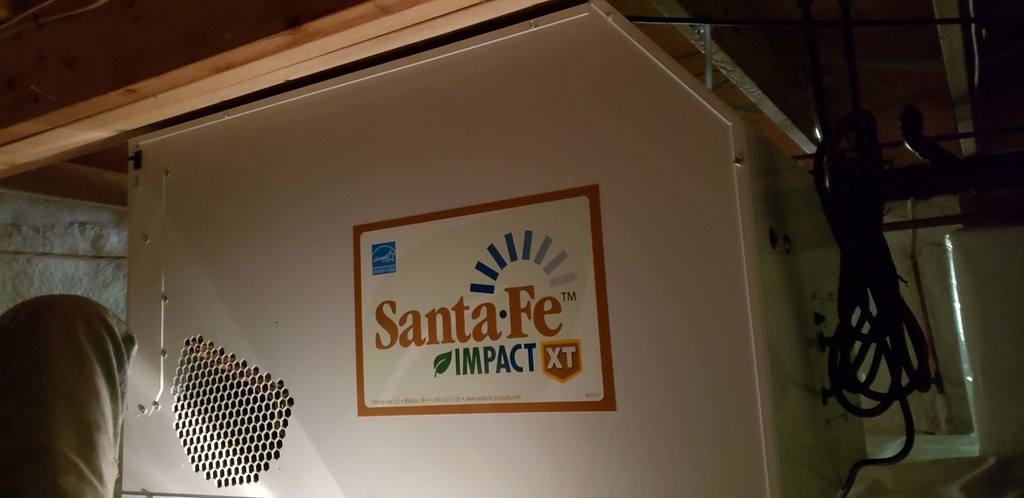
Drying is a science, not a guess. The crew follows the IICRC S500 standard for water damage restoration. They place high-speed air movers to sweep air across wet walls and floors, and commercial dehumidifiers to capture the moisture that evaporates, so it can't soak back in. In tight spots like wall cavities, under cabinets and inside closets, they may drill small holes at the bottom of the wall, remove toe-kicks, or use injection drying hoses. The goal is to dry the building evenly and completely.
Before any equipment goes down, technicians map the wet area with moisture meters and often thermal imaging. Water usually travels farther than it looks, so the map shows exactly which walls, floors and rooms are affected. Each day, the crew returns to take new readings, move or add equipment, and log the results. Equipment comes out only when materials read dry compared with unaffected areas of the same home. Those daily logs also give your insurance adjuster clear proof of what was done and why.
Most rooms in Gardena, CA 90247 dry in three to five days. Hardwood floors, thick plaster walls, concrete and cabinets can take longer. Our mild Southern California weather helps, but even in a dry month the inside of a wet wall can't dry on its own without airflow and dehumidification. The equipment makes some noise and uses household power, and most families stay in the home while it runs.
Clean water from a supply line often allows carpet, drywall and cabinets to be dried in place. Carpet pad is frequently replaced because it is inexpensive and holds water. Drywall that has swelled, crumbled or touched contaminated water is cut out, usually a foot or two above the water line. Laminate and engineered flooring may need removal so the subfloor or slab underneath can dry. The crew explains each decision before removing anything and photographs it for your claim.
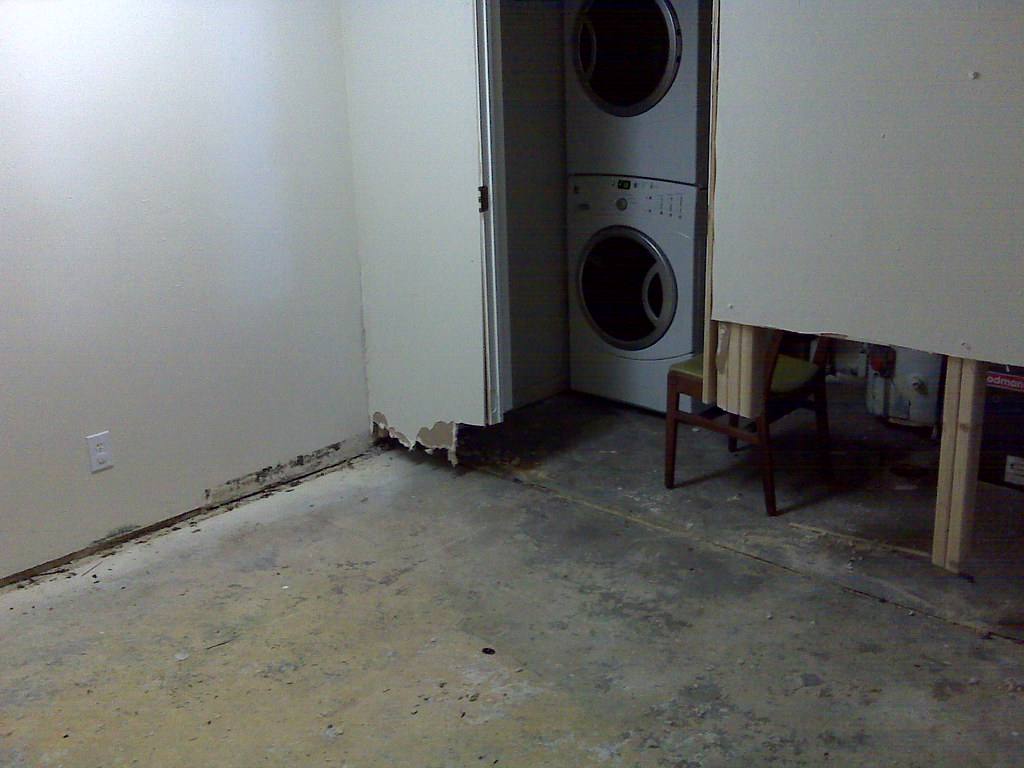
The price of extraction and drying in Gardena, CA 90247 depends on how many square feet got wet, how long the water sat, what kind of flooring and walls are involved, and how many days the equipment has to run. A single bathroom caught within an hour may need one dehumidifier and a few air movers for three days. Several rooms of carpet and drywall, or a slab that soaked overnight, need more equipment and more time. Contaminated water adds cleaning and removal. You get a written estimate before work goes beyond emergency extraction, and when insurance is involved, the estimate is itemized the way adjusters expect to see it.
Rental fans dry the surface, but they don't remove moisture trapped inside walls, pad and subfloors, and they don't come with moisture readings to prove the job is done. Hidden moisture is what causes mold and odors later.
Often, yes, if the water was clean and extraction started quickly. Carpet pad is usually replaced. Carpet touched by sewage or toilet water is removed for safety.
When the cause was sudden and accidental, like a burst pipe, extraction and drying are often covered. See our insurance claims page for the details.
Air movers and dehumidifiers make a steady hum, similar to a loud fan. Crews can sometimes adjust placement so bedrooms are quieter at night.
Burst pipe cleanup · Slab leak water damage · Water heater leak cleanup · Ceiling and roof leak repair · Sewer backup cleanup · Mold prevention. You can also read our insurance claims guide or the first steps after water damage.
Ready for help? Send the free quote form or call now for water damage restoration in Gardena, CA 90247.
Send the form and we call you back fast, or call now if water is still running.
 GARDENA WATER DAMAGE